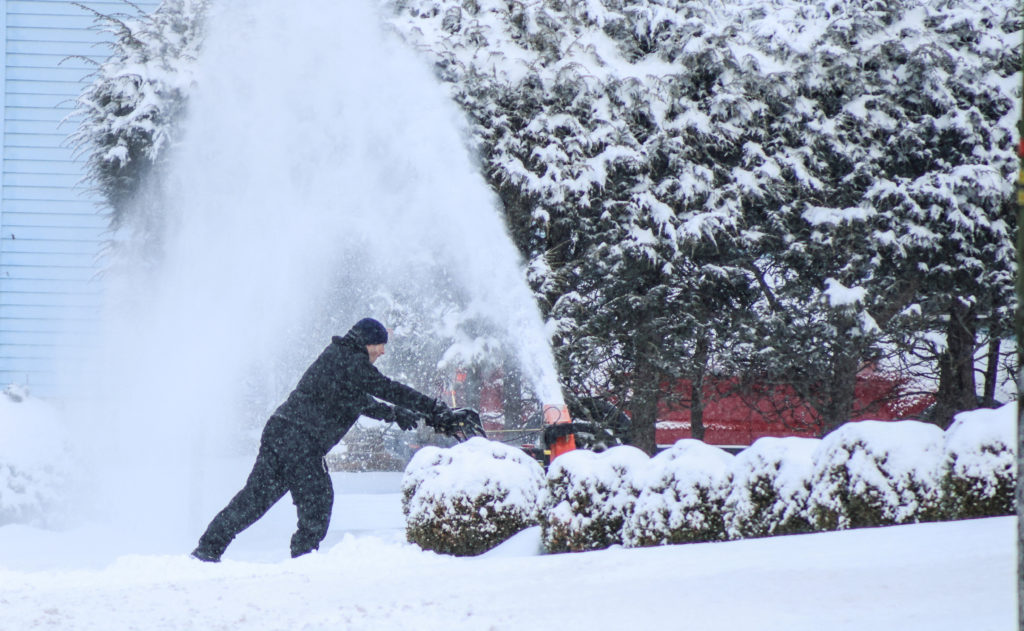
A severe winter storm has swept through the northeastern United States and the Great Lakes region, significantly impacting holiday travel plans. The storm brought heavy snowfall, strong winds, and freezing temperatures, leading to widespread delays and cancellations of flights, trains, and road travel.
Transportation authorities in major cities such as New York, Boston, Chicago, and Detroit issued travel advisories and urged residents to stay off the roads if possible. Many airports experienced significant disruptions, with hundreds of flights canceled or delayed, leaving travelers stranded or forced to reschedule their journeys.
Rail services, including Amtrak, also faced interruptions, with some routes suspended due to adverse weather conditions. On the ground, highways and interstates became hazardous, with snow accumulation and icy patches causing numerous accidents and road closures. State and local agencies deployed snowplows and salt trucks to clear major routes, but conditions remained treacherous in many areas.
The storm's impact extended beyond transportation, affecting power supplies and emergency services. Thousands of households in affected regions experienced power outages, complicating efforts to stay warm and safe during the cold snap. Utility crews worked tirelessly to restore service, but some outages persisted for hours or even days.
Officials advised travelers to monitor weather updates and consider postponing non-essential trips. Many holiday events and gatherings were also affected, with some being canceled or postponed due to the weather conditions. Despite the disruptions, emergency responders and transportation workers continued their efforts to ensure safety and restore normalcy as quickly as possible.
As the storm moves eastward, residents and travelers are urged to remain cautious and prepared for continued winter weather conditions. Authorities emphasized the importance of staying informed and exercising patience during this challenging weather event.